Overview
As automotive marketplaces strive to deliver personalized, scalable, and real-time digital experiences, old monolithic systems have become barriers to progress. One such company worked with Atsky to modernize its platform, moving from a single-tier monolith to a containerized, microservices-based architecture on AWS. The result? 30% faster feature releases, better system resilience, and a smoother path to partner integrations, all within 90 days.
The Client
A North American automotive wholesale marketplace enables real-time auctions between used car dealers and buyers. With ambitious growth goals and an expanding partner network, including credit unions and OEM data providers, their existing system couldn't keep up.
- Business Model: B2B/B2C vehicle auction & financing platform
- Users: 10,000+ active dealers and agents
- Monthly Volume: 30,000+ car listings
- Original Stack: Monolithic Django + Postgres hosted on EC2
The Challenge
The client’s monolithic platform created several bottlenecks:
- Slow Feature Releases: Monthly releases due to fear of regressions
- Scalability Issues: One service failure could impact the entire application
- Partner Inflexibility: Integrations with financing APIs were fragile and slow
- Developer Frustration: Tight coupling made onboarding and testing painful
Their goal was to replatform in under 3 months without affecting active users or revenue.
Our Approach
Phase 1: Application Decomposition
We ran a domain-driven analysis to break the monolith into independently deployable services. Key bounded contexts included:
- Auction Engine
- Dealer Onboarding & Identity
- Vehicle Listings & Pricing
- Financing & Credit Flow
- Notification & Analytics
Each service was designed around clear API contracts with async communication via event buses.
Phase 2: Infrastructure Modernization
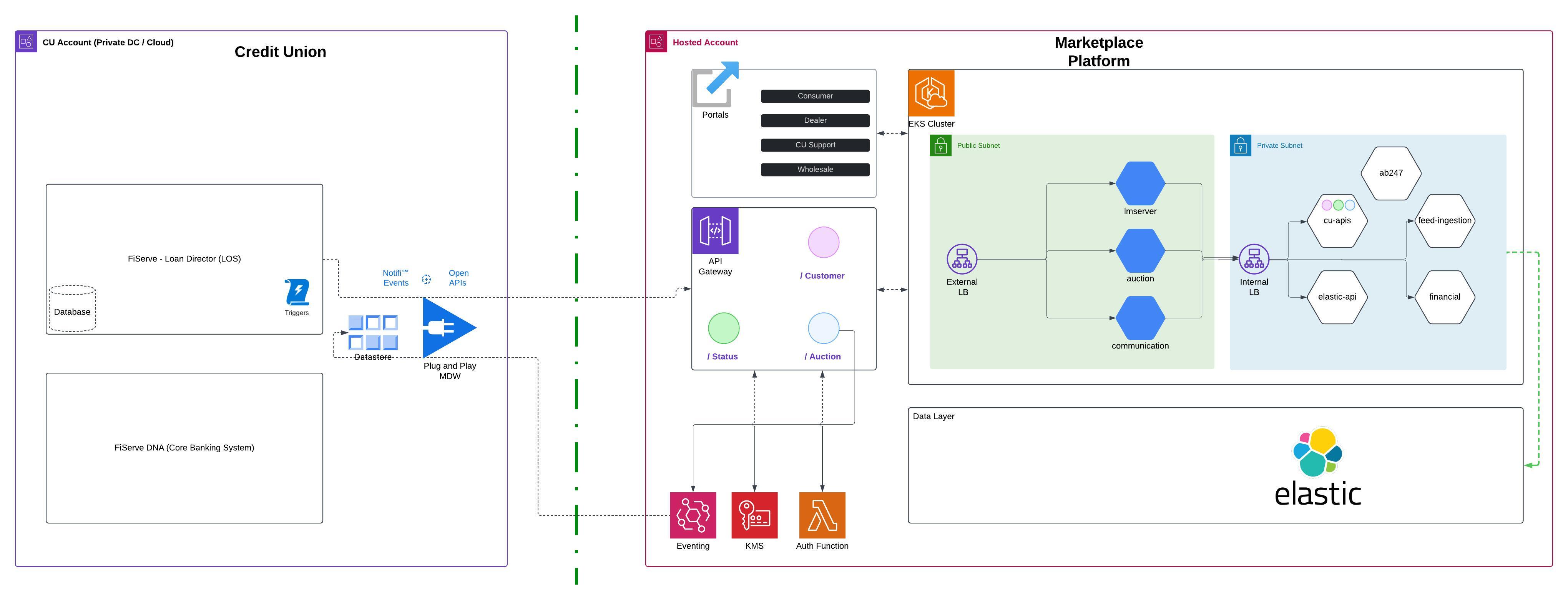
- Migrated from EC2 to Amazon EKS (Elastic Kubernetes Service)
- Split Postgres DB into service-specific schemas with read replicas
- Introduced Kafka and EventBridge for service separation
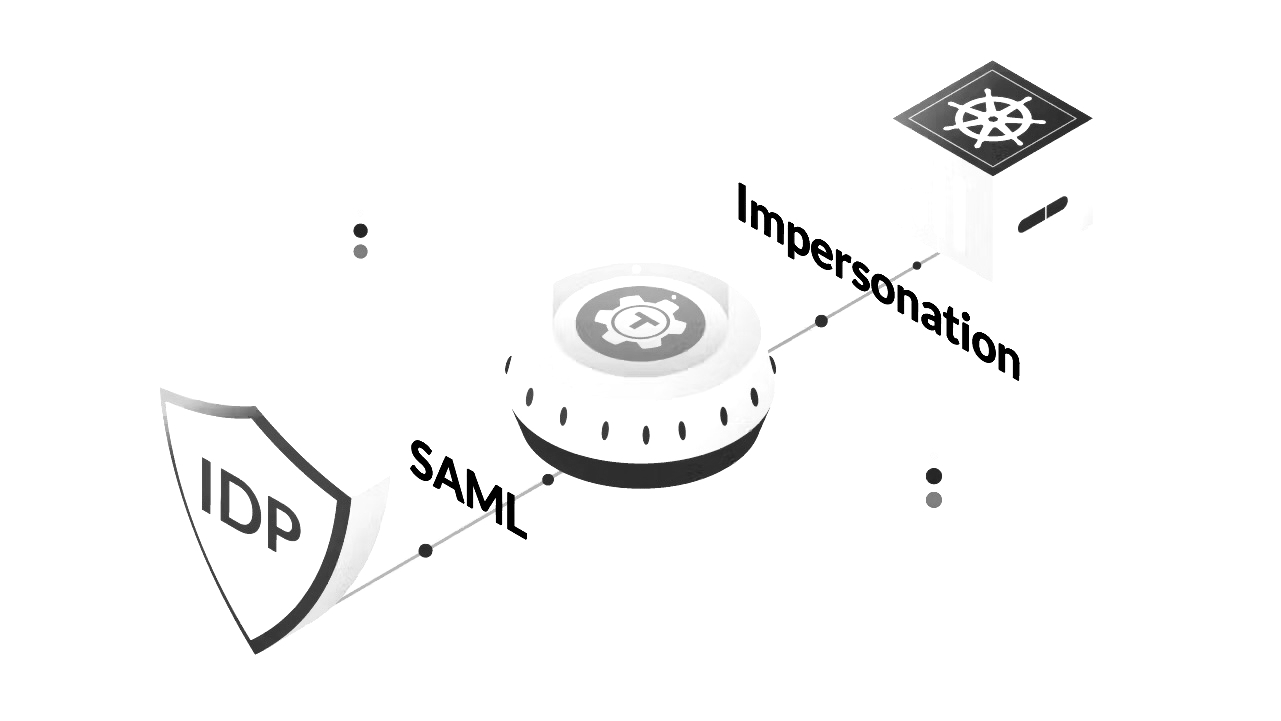
- Centralized auth using AWS Cognito
Phase 3: CI/CD Automation & Observability
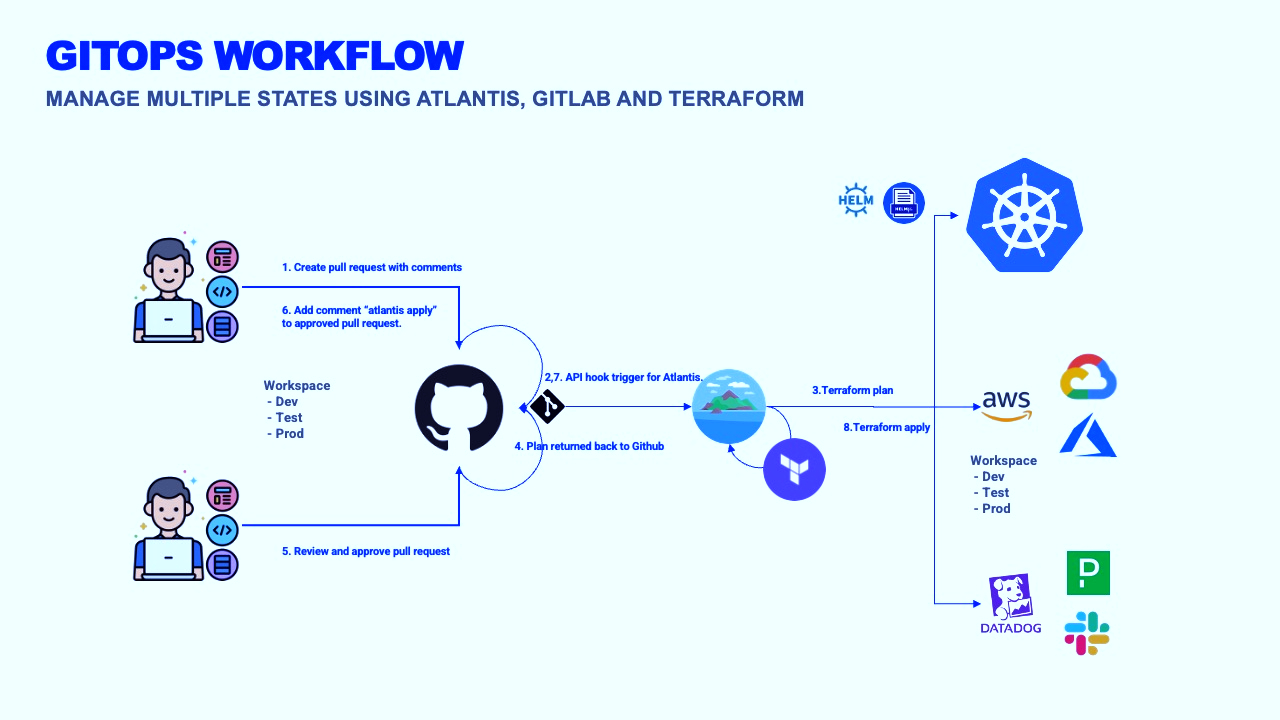
- Set up GitHub Actions and ArgoCD for service-level deployments
- Canary deployments and feature flag rollouts via LaunchDarkly
- Observability stack with Prometheus, Grafana, and Loki
- Full-stack tracing using OpenTelemetry and AWS X-Ray
The Results
KPI
Before
After
Impact
Release Frequency
Monthly
Weekly (some daily)
30%+ faster feature rollouts
Service Resilience
Single point of failure
Isolated failures
System-wide uptime improvement
Partner Integration Time
6+ weeks
<2 weeks
Faster monetization
Developer Onboarding Time
3–4 weeks
1–2 weeks
Simplified service ownership
New Revenue Features
Delayed
Continuous delivery
Enabled credit union integrations
RTO / RPO
- Recovery Time Objective (RTO): ~10 minutes
- Once microservices were implemented on Amazon EKS, the platform began to benefit from:
- Kubernetes self-healing (automatic pod restarts) Service-level health checks Blue/Green or Canary deployments via ArgoCD
- With separate service boundaries, a service can fail independently without affecting the entire system.
- In the event of a complete EKS node failure or regional service impairment, critical functionality is resumed within ~10 minutes due to multi-AZ failover alongside auto-scaling.
- Recovery Point Objective (RPO): ~0 to 5 minutes
- Through layer decoupling and data replication using RDS read replicas, the system captures:
- Near real-time backups Utilization of WAL (write-ahead logging) or point-in-time recovery Streaming data via Kafka/EventBridge ensures data in-flight is either persisted or retried
- For non-transactional services (notifications, analytics), a combination of retries and idempotent design helps mitigate data loss.
- Before modernisation, monolith deployment complexity would likely have led to RTO exceeding 1-2 hours. RPO suffered due to no event replay or partial backup mechanism.
Business Impact
- Launched a new Buy Now financing option powered by OfferLogix APIs
- Rolled out real-time dealer bidding and live auction pricing
- Reduced mean time to recovery (MTTR) for bugs by 60%
- Created dedicated squads with end-to-end ownership of microservices
- Built a platform culture ready for scale, partners, and experimentation
“This wasn’t just a tech upgrade. We moved from one big bottleneck to a nimble, scalable platform, and we’re now shipping weekly without fear.” — CTO, Automotive Marketplace Company
Tech Stack Highlights
- Backend: Node.js, Python (FastAPI), Kafka
- Container Orchestration: Amazon EKS, Helm
- Database: PostgreSQL with read replicas
- Auth: AWS Cognito, OAuth 2.0
- CI/CD: GitHub Actions, ArgoCD, LaunchDarkly
- Monitoring: Prometheus, Grafana, Loki, OpenTelemetry
- Security: IAM policies, Secrets Manager, OPA for policy as code
Why It Matters
The shift to microservices isn’t just about fancy terms; it’s about speed, resilience, and flexibility. For this client, modernization wasn’t only technical; it unlocked new business capabilities:
- Faster time-to-market
- Platform stability under growth stress
- Ability to monetize new partner APIs
Ready to Leave the Monolith Behind?
Whether you're a mobility startup or a legacy OEM, Atsky’s cloud-native modernization playbook can help speed up your transformation.